Your Local Fence Replacement Experts: Fast & Efficient Service
Local fence replacement experts offer an ideal mix of efficiency and speed that has the potential to greatly benefit all types of properties. Their expertise in regional regulations provides regulatory compliance, while their well-developed supplier networks help avoid unnecessary delays. By choosing local professionals, property owners benefit from access to quality materials but additionally strengthen community ties. That said, knowing how to choose the right expert and the impact of various fencing options can be complex. What factors should be considered next?
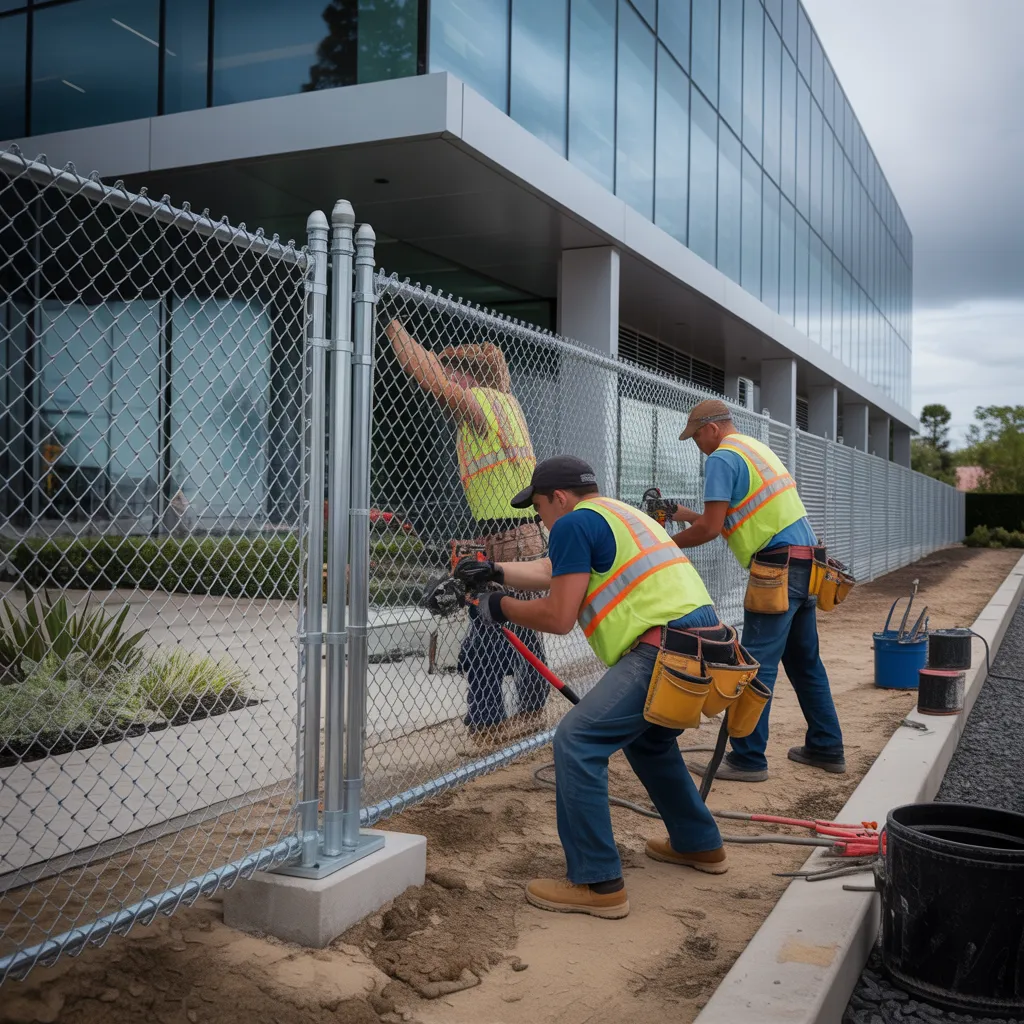
Benefits of Hiring Local Fence Replacement Experts
When homeowners decide to replace their fencing, engaging local specialists can deliver notable advantages. Local professionals possess a deep understanding of regional regulations and building codes, securing compliance during the entire installation process. Their familiarity with local materials and climate conditions allows them to recommend the best options for durability and aesthetics. Furthermore, local professionals frequently maintain strong connections with suppliers, which may result in lower expenses and more rapid access to necessary materials.
Moreover, local contractors are typically more accessible for ongoing consultations and support services, building strong customer relationships grounded in trust and dependability. Homeowners benefit from their knowledge of neighborhood styles, ensuring that the new fence complements the surrounding environment. Moreover, supporting local businesses contributes to the community's economy, building a shared dedication to the neighborhood's progress. This blend of skill, accessibility, and community benefit makes choosing local fence replacement professionals a smart decision for homeowners.
How to Evaluate Fence Replacement Professionals
How can homeowners guarantee they select the right fence replacement professional? Assessing prospective contractors requires following a few key steps. First, homeowners should seek recommendations from friends, family, or online reviews to gauge reputation and reliability. Additionally, confirming credentials is a vital step; contractors must hold proper licensing, carry adequate insurance, and have hands-on experience with the particular fencing style needed.
Homeowners should also request thorough written bids from multiple contractors, guaranteeing clarity in pricing and project scope. Participating in direct dialogue enables homeowners to evaluate attentiveness and professional standards. Additionally, looking into prior projects or client feedback provides insight into the contractor's quality of work.
Finally, understanding the warranty coverage and maintenance plans provided can be vital for long-term satisfaction. By thoroughly examining these factors, property owners can assuredly select a fence replacement specialist who fulfills their requirements and expectations.
Analyzing Top Fencing Materials: Benefits and Drawbacks
Identifying the right fence contractor leads homeowners to contemplate the numerous materials available for their new fencing. Every material has its own array of advantages and disadvantages.
Wood remains well-known for its organic appeal and flexibility but requires regular maintenance to protect against deterioration and insect infestation. Vinyl offers long-lasting performance and minimal upkeep, however it may cost more initially and might lose flexibility in severe temperature changes. Chain link is cost-effective and provides security but offers limited seclusion and curb appeal.
Aluminum is light and resistant to rust but might not offer the same level of strength as alternative materials. Composite fencing combines the look of wood with the durability of plastic, yet it can be pricey and may fade over time. Grasping these benefits and drawbacks enables homeowners to make educated decisions aligned with their requirements, budget, and local weather conditions, securing a sound investment in their property.
What to Expect During the Fence Replacement Process
Throughout the fence replacement procedure, an introductory consultation lays the groundwork for the project, enabling homeowners to communicate their needs and preferences. After this step, a well-defined installation timeline is set, highlighting important milestones and anticipated completion dates. Recognizing these steps assists in establishing realistic expectations for the entire experience.
First Consultation Process
What should homeowners know when hiring fence replacement specialists? At the outset, homeowners will receive a detailed inspection of their property. Experts will typically schedule a consultation to discuss the desired fence style, materials, and budget. Throughout this consultation, experts will assess boundary lines, current structures, and local codes that could impact the work. Property owners should see the facts be ready to communicate their goals and any particular needs. After the consultation, the professionals will deliver a quote detailing expenses and projected schedules. This stage also allows for questions, ensuring homeowners have clarity before proceeding. Ultimately, the initial consultation sets the foundation for a successful fence replacement, fostering clear communication and mutual understanding between the homeowner and the fencing professionals.
Installation Timeline Overview
Once the consultation has concluded, homeowners can expect a structured timeline for the process of replacing their fence. Generally, the first phase involves securing the required permits, which may take several days depending on regional requirements. After this step, the team of installers will schedule a date for the removal of the existing fence, generally accomplished in one day.
Subsequently, the installation of the fencing commences, which can take between one and three days, based on the scope and intricacy of the work. Weather conditions and material availability may also influence the timeframe. Finally, a completion inspection verifies that the new fence satisfies quality requirements, concluding the process. Property owners can expect consistent updates throughout to ensure they are updated at every phase.
Tips for Maintaining Your New Fence
Caring for a newly constructed fence is important for its lifespan and overall look. Consistent inspections and timely maintenance can prevent minor issues from becoming major problems. In addition, effective cleaning practices and year-round maintenance guidance will help homeowners protect their investment effectively.
Periodic Inspections And Repairs
Regular inspections and prompt repairs are critical for maintaining the durability and look of a new fence. Residents should frequently examine for evidence of wear, such as loose panels, rust on metal elements, or degradation in wood. Resolving minor concerns in a timely manner can help prevent greater damage and costly fixes in the future. It is advisable to inspect the fence after severe weather events, as high winds and heavy rains can impact its integrity. Moreover, assessing the posts and gates for steadiness confirms that they continue to function properly and remain secure. Keeping an eye on the surrounding landscape, such as overhanging branches or invasive plants, can also protect the fence from potential harm. Regular maintenance ultimately contributes to the fence's enduring beauty and reliability.
Appropriate Cleaning Practices
Maintaining a fence consistently guarantees its longevity and enhances its overall look. To maintain a new fence, begin by removing buildup such as dirt and leaves with the help of a leaf blower or broom. For timber fences, a mixture of water and mild soap is ideal for removing grime. A gentle brush is used to remove stubborn stains without damaging the timber. For composite or metal fences, a power washer can effectively clean away layers of dirt, though care should be taken to steer clear of too much pressure that might lead to damage. After washing, checking for damage or deterioration is highly recommended. Routine care not only maintains the fence's appearance but also increases the lifespan of the fence, ensuring it stays a valuable asset to any property.
Seasonal Upkeep Advice
Consistent cleaning creates the groundwork for successful seasonal care of a new fence. Property owners should routinely examine their fences for indications of wear, such as loose boards or rusted hardware. In spring, it's beneficial to remove debris and check for moisture damage caused by winter weather. Summer maintenance may involve applying a protective sealant to wooden fences, preventing rot and UV damage. When fall comes around, removing leaves and branches is necessary to prevent moisture accumulation. Ahead of winter, a detailed inspection confirms that essential repairs are addressed, defending against cold weather damage. By adhering to these seasonal tips, property owners can extend the lifespan of their fences, maintaining both aesthetics and functionality throughout the year.
Common Fence Maintenance Mistakes to Avoid
Ignoring regular fence upkeep can cause significant repair costs and shorten the fence's lifespan. One common mistake homeowners make is neglecting to routinely check the fence for signs of damage or wear. This negligence permits minor issues, including rot or rust, to grow into serious complications. Furthermore, incorrect cleaning methods, such as applying harsh chemicals or using a pressure washer, can harm the fence material. Another frequent error is neglecting to address vegetation growth; plants can trap moisture against the fence, leading to decay. Homeowners often overlook the importance of sealing and treating wooden fences, a step that safeguards the wood from harsh weather conditions. Furthermore, ignoring local regulations regarding fence maintenance can result in fines or required restorations. Through understanding these typical pitfalls, homeowners can adopt proactive strategies to maximize the longevity of their fences and copyright the beauty of their property.
How Regional Experts Maintain Quality and Durability
Numerous homeowners rely on nearby experts to secure long-lasting results in their fencing installations and replacements. Regional professionals possess a deep understanding of regional materials and weather conditions, guaranteeing that the best decisions are reached for longevity. Their knowledge of area-specific codes and regulations also promotes adherence to standards, eliminating the risk of legal concerns.
Moreover, seasoned contractors regularly employ premium components sourced from reputable vendors, which greatly affects the lifespan of the fence. Their experience facilitates precise setup, lowering the likelihood of subsequent repairs. Local contractors further deliver valuable insights on care routines designed for particular climates, extending the lifespan of the fence.
Additionally, a number of offer warranties on their workmanship, providing homeowners with peace of mind. By selecting local professionals, homeowners take advantage of an ideal mix of skilled craftsmanship, individualized approaches, and established community bonds, each of which supports the total success of their fencing installations.
Questions We Are Often Asked
How Much Time Does a Standard Fence Replacement Project Require?
A common fence replacement project typically requires one to three days to complete, influenced by factors such as the scope of the area, type of materials used, and the weather conditions affecting the overall installation process.
What Permits Do I Need for Fence Replacement in My Area?
The required permits for fence replacement vary by location. In most cases, homeowners are advised to consult with local zoning offices or municipal authorities to identify specific requirements, including height restrictions and property line considerations, so that all guidelines are met prior to commencing the work.
Is It Possible to Customize My Fence Design and Materials?
Certainly, fencing designs and materials can typically be tailored to accommodate individual needs. Property owners can select from a wide range of styles, colors, and materials, providing unique design possibilities that suit their property while following local requirements.
Do Local Professionals Provide Warranties for Their Work?
Regional professionals typically offer warranties on their work, making certain clients get quality service and materials. These warranties can vary in duration and coverage, offering reassurance to those who are undertaking new fence installations.
In What Ways Do Weather Conditions Impact the Fence Replacement Schedule?
Climatic conditions heavily affect fencing project timelines. Rain, snow, or extreme temperatures can delay installation, influencing the state of the soil and how materials are managed. Experienced local contractors regularly revise their timelines to copyright quality standards and safety during uncertain weather.